
Your Quick-Start Guide to Web Design for Small Business: Do This First
For a modern small business, a website is far more than a digital business card; it is your virtual front door. In an era where the majority of consumer journeys begin with a search engine query, your online presence acts as a digital maître d’, welcoming potential clients and setting the tone for the entire relationship. However, many entrepreneurs rush into the design phase without a blueprint, resulting in a site that looks aesthetically pleasing but fails to convert visitors into loyal customers. Success in the digital marketplace requires a strategic foundation built before a single line of code is written or a template is selected.
The stakes are high for contractors and local service providers. A poorly structured website doesn't just look unprofessional; it actively erodes the credibility you have worked hard to build in your community. To ensure your investment yields a high return, you must treat your web design for small business as a core business operation rather than a secondary marketing task. This guide outlines the essential steps to take first to ensure your website serves as a powerful engine for growth.
1. Define Your Website’s Core Purpose and Goals
Before diving into color palettes or font choices, you must identify exactly what you want your website to achieve. A website without a clear goal is like a ship without a rudder; it may stay afloat, but it won’t reach its destination. For some firms, the primary objective is lead generation: capturing contact information from potential clients. For others, it might be providing a seamless booking experience or showcasing a robust portfolio of past projects to build trust.
Ask yourself what a "win" looks like for your site. Is it a phone call, a form submission, or a direct product sale? By establishing these Key Performance Indicators (KPIs) early, you can structure your design to funnel users toward these specific actions. Every element on the page should serve this primary purpose, removing any friction that might prevent a user from taking the next step in their journey.

2. Identify and Profile Your Target Audience
A website that tries to appeal to everyone often appeals to no one. To create a high-converting site, you must have a deep understanding of your ideal customer. Are you targeting high-end homeowners looking for luxury renovations, or are you a local contractor focused on quick, reliable repairs for property managers? The language, imagery, and features your site requires will vary drastically based on these profiles.
Understanding your audience allows you to address their specific pain points and questions immediately. For example, if your clients are busy professionals, they will value a "Quick Estimate" button or a clear list of service areas over long-winded company histories. High-quality web design for small business prioritizes user intent, ensuring that the information your specific audience seeks is available within seconds of landing on your page.
3. Map the Customer Journey
Once you know who your audience is and what you want them to do, you must map out the path they will take to get there. This is known as the customer journey. Think of your website as a physical retail space. Where do people enter? What do they see first? What information do they need to see before they feel comfortable heading to the checkout counter (or contact form)?
Most small business visitors follow a predictable pattern: they arrive on the homepage or a landing page, verify your competence through testimonials or project photos, check your service area, and then look for a way to contact you. If any of these steps are missing or difficult to find, the user will likely bounce back to the search results and click on a competitor. Ensuring a seamless transition from "just browsing" to "ready to hire" is crucial for maximizing your conversion rates.
4. Develop a Cohesive Brand Strategy
Your brand is the emotional and intellectual relationship you have with your customers. On your website, this is communicated through visual elements and messaging. Consistency is the hallmark of professional competence. If your logo looks different on your website than it does on your trucks, or if your tone is formal on one page and overly casual on another, it creates a "brand disconnect" that can make potential clients uneasy.
Start by establishing your visual brand elements: a professional logo, a consistent color scheme, and typography that is easy to read. Beyond visuals, your brand messaging must clearly communicate your Unique Selling Proposition (USP). Why should a client choose your firm over the dozens of others appearing in their search results? Whether it is your decades of experience, your specialized equipment, or your commitment to local community values, this message must be front and center. If you need assistance in establishing this visual identity, professional graphic and logo design services can provide the polish needed to stand out.

5. Choose the Right Platform for Long-Term Success
One of the most critical decisions you will make is selecting the platform where your website will live. While many DIY "drag-and-drop" builders offer an easy entry point, they often lack the flexibility and SEO capabilities needed for a growing business. For most contractors and small businesses, WordPress remains the gold standard. It offers a perfect balance of user-friendliness and professional-grade customization.
Choosing the right platform is about more than just the initial build; it is about future-proofing your business. You need a system that can grow with you, allowing for the integration of new features like online scheduling or advanced local seo services. For a deeper dive into which route is right for your specific needs, consider reviewing our comparison guide for contractors.
6. Prioritize Search Visibility and Content
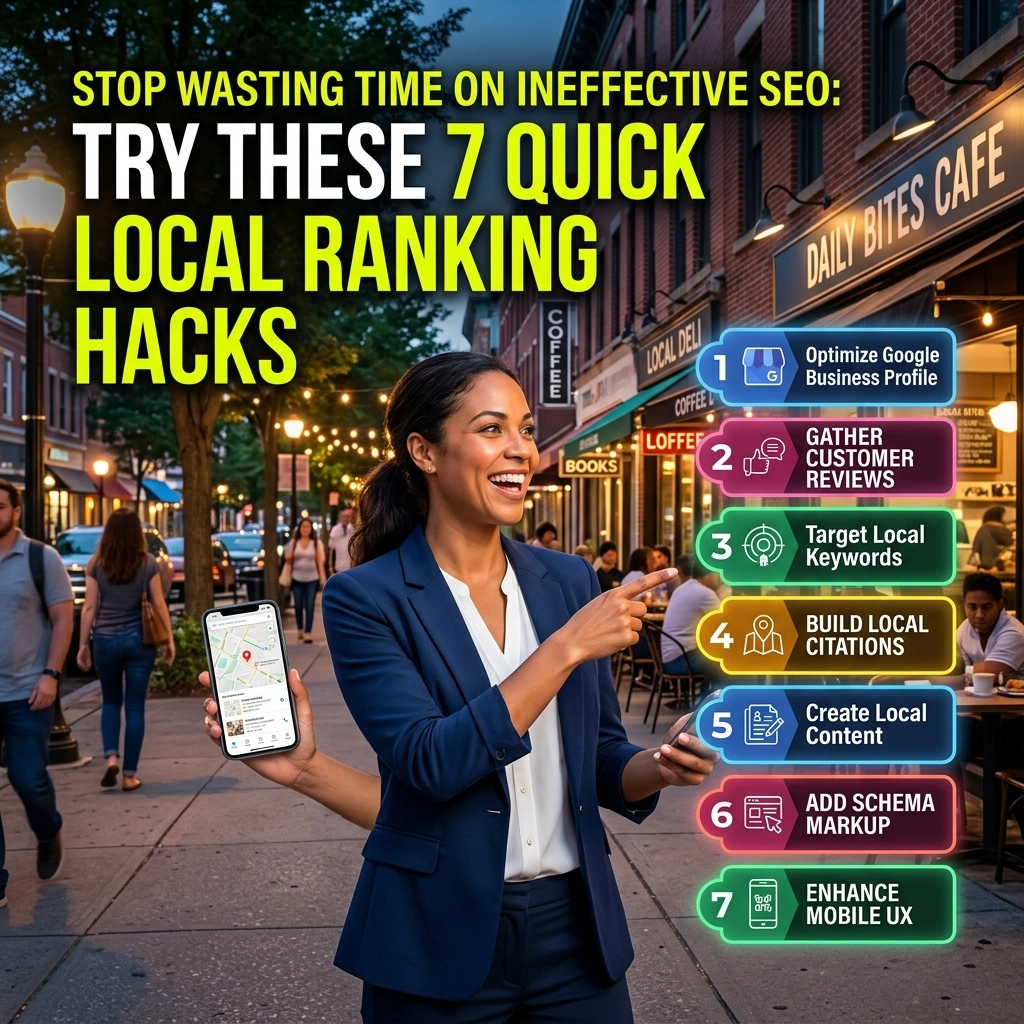
A beautiful website is useless if no one can find it. Search Engine Optimization (SEO) should not be an afterthought; it should be baked into the design process. This includes technical aspects like site speed and mobile responsiveness, as well as content-focused elements like keyword-rich headers and localized service pages.
For local businesses, showing up in the "Map Pack" and local search results is essential for survival. This is where local seo services become invaluable. By optimizing your site for the specific geographic areas you serve, you ensure that you are visible to the people most likely to hire you. Furthermore, your content should provide real value. Blogs, FAQ sections, and detailed service descriptions not only help with SEO but also establish you as an authority in your field.

7. Plan for Ongoing Maintenance and Social Integration
Digital assets are not static. A website requires regular updates, security patches, and content refreshes to remain effective and secure. Many business owners make the mistake of launching a site and then ignoring it for years, leading to broken links, slow load times, and outdated information. Utilizing professional website maintenance services ensures that your digital front door always looks its best and functions perfectly.
Additionally, your website should not exist in a vacuum. It should be the hub of your entire digital ecosystem, including your social media profiles. Integrating your social feeds or providing easy "share" buttons can help drive traffic and improve engagement. If managing multiple platforms feels overwhelming, professional social media management services can help maintain a consistent presence across the web, directing followers back to your site to convert.

Summary: Building Your Digital Foundation
Launching a website for your small business is a significant milestone, but its success depends entirely on the preparation you do beforehand. By defining your goals, understanding your audience, and choosing a scalable platform, you create a tool that works for your business 24/7. Remember, your website is often the very first impression a customer has of your professional capabilities: make it count.
At MastroTek Website Design, we specialize in helping small businesses and contractors navigate the complexities of the digital world. From initial concept and brand strategy to ongoing maintenance and growth, we provide the expertise needed to turn your website into your most valuable employee.
Ready to build a website that actually grows your business?
Contact us today for a consultation, or use our online estimate tool to start planning your project. Let’s build something great together.